


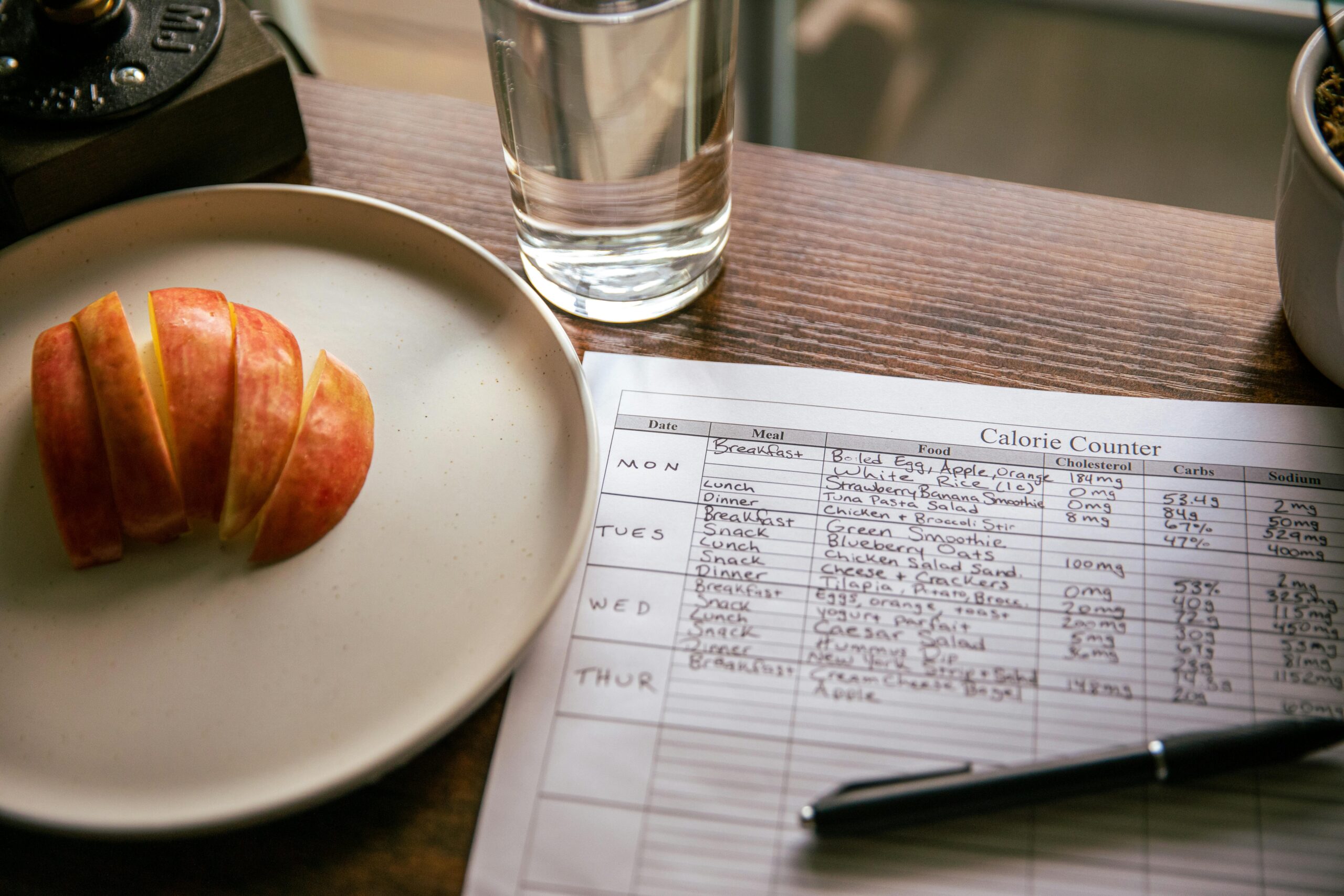
Yes, calories still matter…
If you have ever tried to lose weight, you’ve probably heard it all: “Just eat clean.” “Cut carbs.” “More protein.” “Mediterranean diet is the best.” These frames can help, but if the goal is fat loss, there’s one simple truth that keeps getting buried under social trends and TikToks:
Energy balance still matters. Calories aren’t everything, but they are the thing that decides whether body fat goes up, down, or stays the same.
This isn’t a call to live on calorie tracking apps or spreadsheets. It’s a reminder not to confuse “healthy” with “low-calorie,” and an invitation to use imperfect, easy tracking to build awareness. When you see your real intake, even roughly, your choices change. And yes, there’s room for indulgences. They simply need to be accounted for, NOT feared.
Below is a practical, shame-free playbook you can start today.
Don’t Ghost Calories …
- Almonds, avocado, olive oil, sourdough, and smoothies can all be part of a healthy diet. BUT, they’re also calorie-dense. Without portion awareness, a “clean” day can overshoot your needs by hundreds of calories.
- On the other hand, a fast-food order can be accommodated within a day if the rest of your choices balance it out. Morality doesn’t belong to food. Calories don’t care whether a meal was “virtuous,” they just count.
Bottom line: To lose weight, you don’t have to ban foods. You have to manage portions and totals.
“But tracking calories is so annoying.” 🫤
Totally fair.
Good news: tracking can be quick, flexible, imperfect, and still work.
Think of it like checking your banking account balance:
- You don’t audit every transaction forever.
- You check often enough to spot patterns and make better decisions. (I hope you do anyways 😉)
Below, I am sharing several choose-your-own-effort tracking options. Start with the easiest one you’ll actually do.
The Awareness Ladder (pick a level and climb when ready)
Level 1 — Photo Log (2 minutes/day)
Snap a photo of everything you eat and drink. At night, scroll through the day. You’ll instantly see your blind spots (oils, toppings, snacks). *My free coaching app can help with this*
Level 2 — 100-Calorie Blocks (3–5 minutes/day)
Estimate meals using rough blocks of ~100 calories. You won’t be perfect; you will be directionally right, which is enough to learn.
Quick cheat-sheet:
- 1 tbsp oil/butter ~120
- 1 small handful nuts (1 oz) ~170
- 1 slice cheese ~100
- 1 large egg ~70
- 1 slice bread ~80–100
- 1 cup cooked rice ~200
- 6 oz cooked chicken or salmon ~250–350 (varies by cut)
- Most sweetened lattes ~150–250
- Salad dressings: 2 tbsp ~100–150
Level 3 — Meal Templates
Pre-build 8–12 go‑to meals with approximate calories and protein (e.g., “Greek yogurt + granola + berries ≈ 450,” “Chicken burrito bowl ≈ 650”). Rotate them on busy days to keep intake predictable.
Level 4 — App or Notes Estimate
Use any calorie app or your phone’s notes to jot ballpark totals per meal. No weighing required. Round to the nearest 50–100 calories.
Level 5 — Precision (short sprints only)
If you enjoy details, weigh and log for 7–14 days to recalibrate your eye. Then step back down to Levels 2–3 for maintenance.
Important: The goal is awareness, not perfection. A ±10–15% error still teaches you where your calories come from.
How indulgences fit (Joyful Accounting)
You don’t have to skip dessert or pizza night. But you do need to make room for them.
The 3 rules:
- Plan it: If you know dinner will be richer, keep earlier meals lighter but satisfying (protein + produce + smart carbs).
- Portion it: Decide the portion before the first bite: “Two slices + a side salad,” “One dessert, no seconds.”
- Balance it: Log the estimate and move on. No guilt. No, “I blew it, so I’ll restart Monday.”
Example day (approximate estimating):
- Breakfast: Greek yogurt parfait (yogurt + granola + berries + honey) ≈ 460
- Lunch: Chicken burrito bowl (rice, beans, veggies, salsa) ≈ 650
- Snack: Latte ≈ 180
- Dinner: Salmon (6 oz) + 1 cup rice + 1 tbsp olive oil + broccoli ≈ 720
- Square of dark chocolate ≈ 50
Total ≈ 2,060
On a pizza night, you might do:
- Breakfast ≈ 300 (eggs + fruit)
- Lunch ≈ 450 (big salad + chicken, light dressing)
- Snack ≈ 100 (apple or protein shake)
- Dinner: Two slices pizza + side salad ≈ 750
Total ≈ 1,600
These are examples—not targets. The point is how planning and portioning make room for joy.
Notice I am not advocating you reach a SPECIFIC calorie target. The reason is, I can’t predict what every human needs without context. The context is gender, age, height, weight, and most importantly, life history and current life.
Action Plan: A 14‑Day Calorie Awareness Experiment
Days 1–3: Observe
- Pick one tracking level from the ladder.
- Eat normally. Don’t change anything yet.
- Each night, note:
- Your best guess at total calories
- Where hidden calories showed up (oils, drinks, snacks)
- Fullness (1–10)
Days 4–7: Shape
- Keep the same track method.
- Add two “anchor meals” you repeat most days (e.g., breakfast and lunch). Predictable anchors stabilize intake.
- Build plates around 4 elements: protein, produce, smart carbs, tasty fats.
- Use 100-cal blocks to adjust portions (+/− 200–300 cals) depending on hunger and plans.
Days 8–14: Practice
- Pre‑log one meal per day before you eat it (even a rough estimate).
- Schedule your indulgence(s) and apply Joyful Accounting. (ex. Sunday Brunch – mimosas and pancakes)
- Track a weekly average rather than obsessing over daily fluctuations.
Weekly review questions (5 minutes):
- Which meals overshoot your intended calories?
- Which easy swap shaved 150–300 calories without pain?
- How’s hunger and energy? If you’re starving, you’re under‑fueling—add protein, fiber, or volume.
10 Practical Moves That Quietly Cut 150–400 Calories
- Oil awareness: Measure 1 tbsp once; learn what it looks like. Swap some oil for lemon, vinegar, and spices.
- Dressing on the side: Dip your fork in the side dressing, then into the salad, this provides the same flavor, with less drizzle (aka Calories).
- High‑protein snack > grazing: Yogurt, cottage cheese, jerky, protein smoothie beat handfuls of nuts “on repeat.” NOTE: Nuts are NOT BAD, just higher in calories for the portion you might eat and be satisfied with.
- Bun/thin crust/half rice: Keep the meal; trim the base.
- Drink calories audit: Lattes, juices, cocktails add up fast. Choose smaller sizes or fewer per week.
- Build volume: Extra veggies and fruit add fullness at low calorie cost.
- Two‑treat rule: At events, choose any two of bread, dessert, alcohol—enjoy fully, skip the rest.
- Pre‑game protein: 20–30g protein before social meals reduces impulse eating. I love these Premier Protein Shakes (LINK)
- Plate once: Avoid open‑ended picking. Make one satisfying plate; sit and enjoy it.
- Walk it in: A 20–30 min walk after bigger meals helps digestion and increases daily movement.
What about hunger, hormones, and “not all calories are equal”?
- Satiety matters. Protein, fiber, and minimally processed foods usually keep you fuller—making calorie control easier.
- Consistency still counts. Vitamins, minerals, sleep, stress, and movement influence appetite and consistency.
- But for fat loss, energy balance drives the outcome. Use quality foods to make hitting your calorie range easier, not ignore the range entirely.
Common pushbacks (and helpful reframes)
“I don’t want to track forever.”
You don’t have to. Use tracking like training wheels: short bursts to learn portions, then coast on habits.
“I’m terrible at estimating.”
Everyone is at first. That’s why we practice for 1–2 weeks. Your estimates will quickly get within a useful range.
“Numbers make me anxious.”
Try Levels 1–3, no precise counting, just awareness. If counting calories is triggering or you have a history of disordered eating, skip tracking and work with a professional.
“I eat out a lot.”
Pre‑decide your order category (grilled vs fried, sauce on the side, carb portion) and assign a conservative estimate. You’ll be right enough to guide choices. You can also share meals, or even eat half and take the other half home. Saves money and calories.
Quick-start toolkit (copy/paste for your phone)
My Anchor Meals (approx. cals / protein)
- Breakfast: __________________________
- Lunch: _____________________________
My Go‑To Snacks (satisfying, ~150–250 cals)
My 100‑Calorie Landmines
- Oils, nuts, dressings, sugary drinks, “tastes while cooking,” big pours of cereal.
My Joyful Indulgences (planned, guilt‑free)
- ___________________________________ (how many blocks? ______)
If‑Then Plans
- If a surprise treat shows up at work, then I’ll enjoy one piece and skip my afternoon latte.
- If dinner will be heavy, then lunch will be a lighter template.
For the numbers‑curious (optional)
- Use a reputable online calculator to estimate maintenance calories, then aim for a modest daily/weekly reduction.
- Prefer ranges (e.g., a 200–400 calorie window) over single numbers.
- Track weekly trends (weight, waist, how clothes fit) rather than day‑to‑day noise.
Final word
Calories aren’t the only thing that matters, but when they’re ignored, fat loss becomes a guessing game. You don’t need perfect logging or precision‑level discipline. You need enough awareness to align your meals with your goals, while keeping foods you love in the mix.
Make it easy. Keep it human. And enjoy dessert—on purpose.
Stay Empowered!
-Laura
PS. – If you want to get professional help and fast-track your way through this, I am here to help! The best part is you could pay $0!!
This article is for general education and isn’t medical advice. If you have a history of disordered eating or medical conditions, work with a qualified professional.

